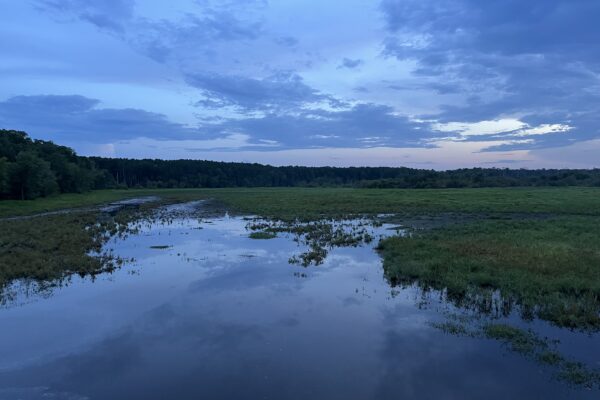

The Cape Fear River is one of the best known drinking water sources contaminated with PFAS. However, it is far from the only groundwater or surface water in NC that is polluted with PFAS.
PFAS Water Protections Facing Threat Under New EPA Head
PFAS, often called “forever chemicals” are toxic substances found in products like nonstick cookware, firefighting foam, and even our drinking water. These chemicals leach into our soil, water, and bodies. Leading to serious health risks, including cancer and immune system damage. Despite concerns from communities across the country, Lee Zeldin’s EPA mentioned last month that it plans to weaken limits on some “forever chemicals” in drinking water that were finalized last year, while maintaining standards for two common ones. This kind of rollback is a dangerous step backward. To better highlight why PFAS are such an issue and need more regulation, one of our CWFNC volunteers, Ava Silver, wrote a brief article about PFAS and their risks.
PFAS- What You Should Know
PFAS (per- and polyfluoroalkyl substances), also known as “forever chemicals,” are man-made substances used in a wide range of products because they are extremely long-lasting. Since the 1940s, they’ve been used in everyday items like clothing, carpets, and food packaging. The problem? PFAS don’t break down easily in the environment and they build up in our bodies over time.
The main way people are exposed to PFAS is through drinking water, and studies show that most Americans already have some level of PFAS in their systems. Long-term exposure to PFAS in drinking water has been linked to serious health problems, including:
● Increased cholesterol levels
● Liver damage
● Higher risk of thyroid disease
● High blood pressure or preeclampsia during pregnancy
● Small decreases in infant birth weight
● Weaker immune response to vaccines in children
● Higher risk of certain cancers
On April 10, 2024, the EPA (Environmental Protection Agency) finalized new drinking water standards that limit six different PFAS compounds. Public water systems across the country—including in North Carolina— had five years to meet these new standards. After Lee Zeldin took over the EPA, four of the drinking water standards were removed, and the timeline for compliance on the other two increased by two years.
The North Carolina Department of Environmental Quality (NC DEQ) is taking steps to identify and reduce PFAS contamination in our state. They’re also working to create regulatory standards that better protect our water and communities. On April 22, they held a public hearing on proposed updates to the state’s water quality rules. Many people across North Carolina spoke up, urging for stronger, science-based protections.
Some of their recommendations included:
● Expanding E. coli monitoring to include both Class B and Class C recreational waters
● Setting a numeric limit for toxic PFAS in surface waters
● Maintaining a strong science-based standard for 1,4-dioxane
● Increasing monitoring of microplastics and their effects
PFAS don’t just affect people, they impact the whole of our environment. These chemicals can enter the food chain, harming animals and disrupting reproduction and health in wildlife, similar to humans. The longer we let PFAS stay in our environment the more dire the situation becomes.
As our government works to set better drinking water standards individuals can combat PFAS as well.
● Avoid Products that Contain PFAS
○ Such as non-stick pans, water and stain resistant fabrics, and cosmetics with “fluoro” or “PTFE” chemicals.
● Filter your Drinking Water
○ Use a reverse osmosis or activated carbon filter certified to remove PFAS.
● Raise Awareness
○ Introduce the topic of PFAS in classroom and educational settings.
While previous exposure to PFAS can’t be undone, continued advocacy and awareness can help persuade our government to take further steps to prevent additional exposure to these forever chemicals.
References:
The Environmental Protection Agency Delays Limits on PFAS in Drinking Water – NPR
State ‘forever chemicals’ spotlight: North Carolina’s drinking water contamination | Environmental Working Group
PFAS in Drinking Water
Understanding PFAS | NC DEQ
https://www.deq.nc.gov/genx/nc-deq-action-strategy-pfas/open
What’s the deal with PFAS, aka ‘forever chemicals’?.